My honest, diplomatic approach to all things scientific. Everything from technology and engineering to the political and personal implications of our advancement is included, as well as a little bit of fun now and then.
As most busy college students probably know, sleep is a precious commodity. There is always something more important to do than sleep, whether it be pulling an all-nighter studying, or staying out late partying. I've always tried to consistently get 6-7 hours of sleep a night, with the occasional "catch-up" nap, but since I have real trouble actually sleeping past 9 am, this isn't always possible.
I have been kind of sick all weekend, so last night, I took the recommended dose of NyQuil and passed out for 11 hours.
Needless to say, I felt great this morning, but it got me thinking, "why does a good night's sleep make me feel so good?" Here are some interesting facts on sleep:
- Adults who report sleeping 6-7 hours per night live longer than those who sleep more or less.
- Sleep deprivation does adversely effect the immune system, but has not been proven to stunt growth in children.
- In mammals, the amount of sleep needed is generally inversely related to size (rats sleep 14 hours per day, while elephants sleep 3-4).
- Despite popular belief, tryptophan has not been linked to changes in sleep patterns. Turkey does not magically make you tired, but overeating and certain times of the day do.
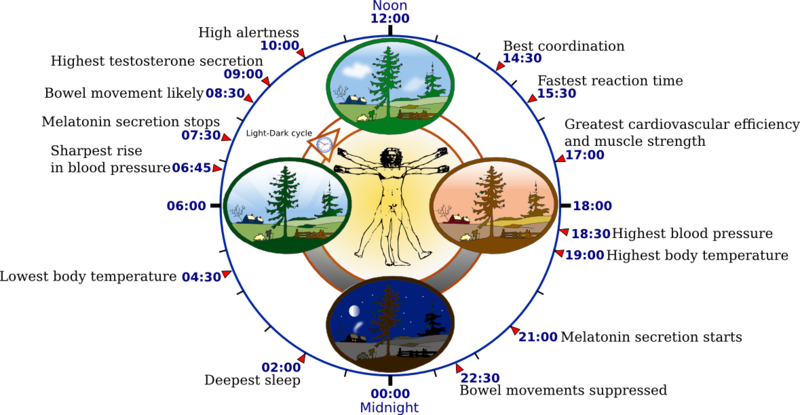
- Your body experiences a natural dip in alertness at both 2am and 2pm.
- REM sleep is important in brain growth and maturity. Deprivation in REM sleep can lead to behavioral and psychological problems
- Drinking alcohol may make you feel sleepy by causing somnolence, but it reduces the amount of REM sleep that you get.
Cameron Diaz won the prestigious "Most Infected Celebrity" award this year. McAfee's top 10 list includes such notables as Heidi Klum and Penelope Cruz as well as male heart-throbs Brad Pitt and Tom Cruise (apparently "Knight and Day" was popular with hackers).
With an average age of 36 in the top 10 list, I am assuming that middle-aged people still don't understand that clicking on links like "See CAMERON DIAZ naked!" is a great way to get yourself a nice little Daprosy Worm.
I've been trying to make my blog a little more entertaining lately, because I know how boring reading is for most people, so here's a break from science with a little social comedy by Maz Jobrani:
Very few thinking people are naive enough to believe that humans will remain the dominant species on this earth forever. "Forever" is a long time. I'm sure that if dinosaurs possessed the level of cognitive thinking that humans do, they would have thought they were going to live forever too. Of course, dinosaurs are a whole grouping of various species that are somewhere between birds and reptiles, but they roamed the earth for 165 million years. Mammals have only been a dominant species for the better part of the last 60 million years, so should we be looking for the downfall of mammals anytime soon?
Provided a drastic change in climate or other unforeseen disaster occurs, probably not, but the human species? That's a whole different question. I don't buy into scare tactics by the media or even scientists. It's too hard to tell who's got an agenda these days, but I do believe that in some ways, our modern medicine is both saving and destroying our species.
Curious Cat Science and Engineering Blog is one of my favorite weekly reads (despite it's late 90's website design format). Check out his newest article on the end of antibiotics and potentially the end of humans:
It's a word that has gotten a lot of attention in the past 10 or so years. We have finally discovered that we have the power to essentially use-up the world's resources. Of course none of us want that, but Jason Clay offers a "solution" (PS - I love TED) :
I see some problems with this philosophy though. I appreciate the progress he is making, and I agree that we need to address this issue of diminishing resources and growing population, but I don't think the solution is as simple and neat as Dr. Clay believes. Here's the way I see it:
Private Business is a competitive environment. Without short-term profits, a company will struggle and die at the hands of companies who will sacrifice long-term access to resources for short-term competitive gains. For example, Company A has an idealistic CEO who leads his company in the direction of sustainability. He says, "We will no longer support any environmentally or ecologically detrimental suppliers, and we will conduct business in a manner that will conserve as many natural resources as possible." Sounds great...
Meanwhile, Company B - a similar company - has a more traditional capitalist serving as CEO who's goal is to drive out competition, and maximize profits for expansion and reinvestment. He knows about Company A's new goal of sustainability, so he decides to fight fire with fire.
Company A may be able to make a great marketing campaign to promote their new commitment to sustainability, but being that they are bound to have larger materials costs since they are no longer buying from "traditional" suppliers, their profits will likely falter. Meanwhile, Company B launches a marketing campaign promoting their lower prices, and then puts a little side bar about their new "green" packaging (mostly just marketing fluff, but the consumer doesn't know any better). Company B has lower costs, and sells their product for a significantly lower price, plus they too have some interest in saving the environment. What happens next? Since this is hypothetical, there's not a right answer, but I'm putting my stock in Company B.
My point is that companies will not buy into this 100% sustainability if they will lose money from it. That's just Econ 101. It doesn't matter if the resource you are taking from the land will be gone in 75 years; if you are a well-run business, you will have already foreseen this, and redirected your investment into another channel by then. We have made some gains in environmental awareness in the past decade, but those have been far outweighed by increasing population, and the boom of industry in the developing world. Maybe I'm just a skeptic, but I have very little faith in Dr. Clay's solution.


 Posts
Posts

